Holden Mine Site Remediation
Client: Rio Tinto
Overview of Floyd|Snider Contributions
Project Summary
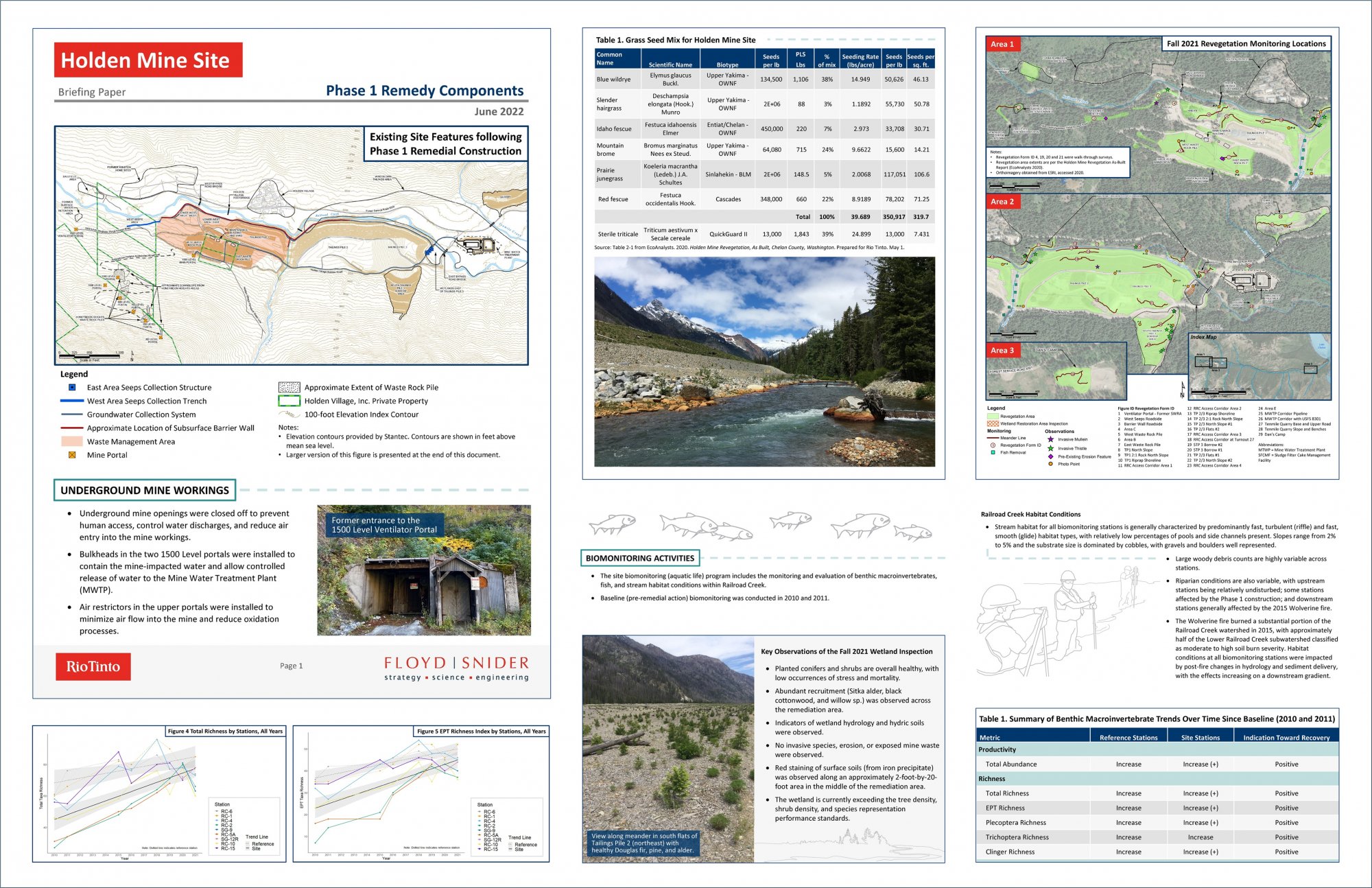
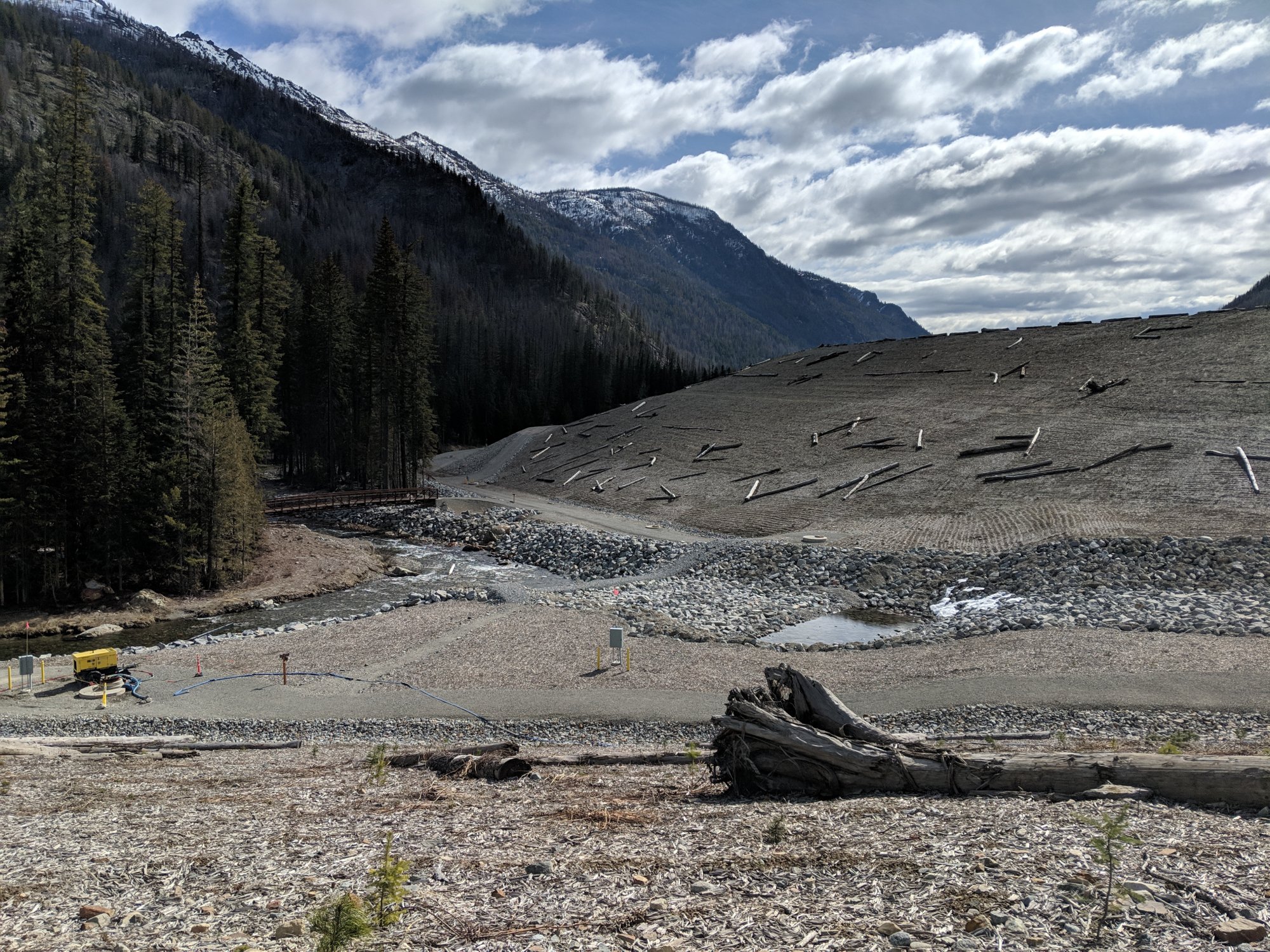
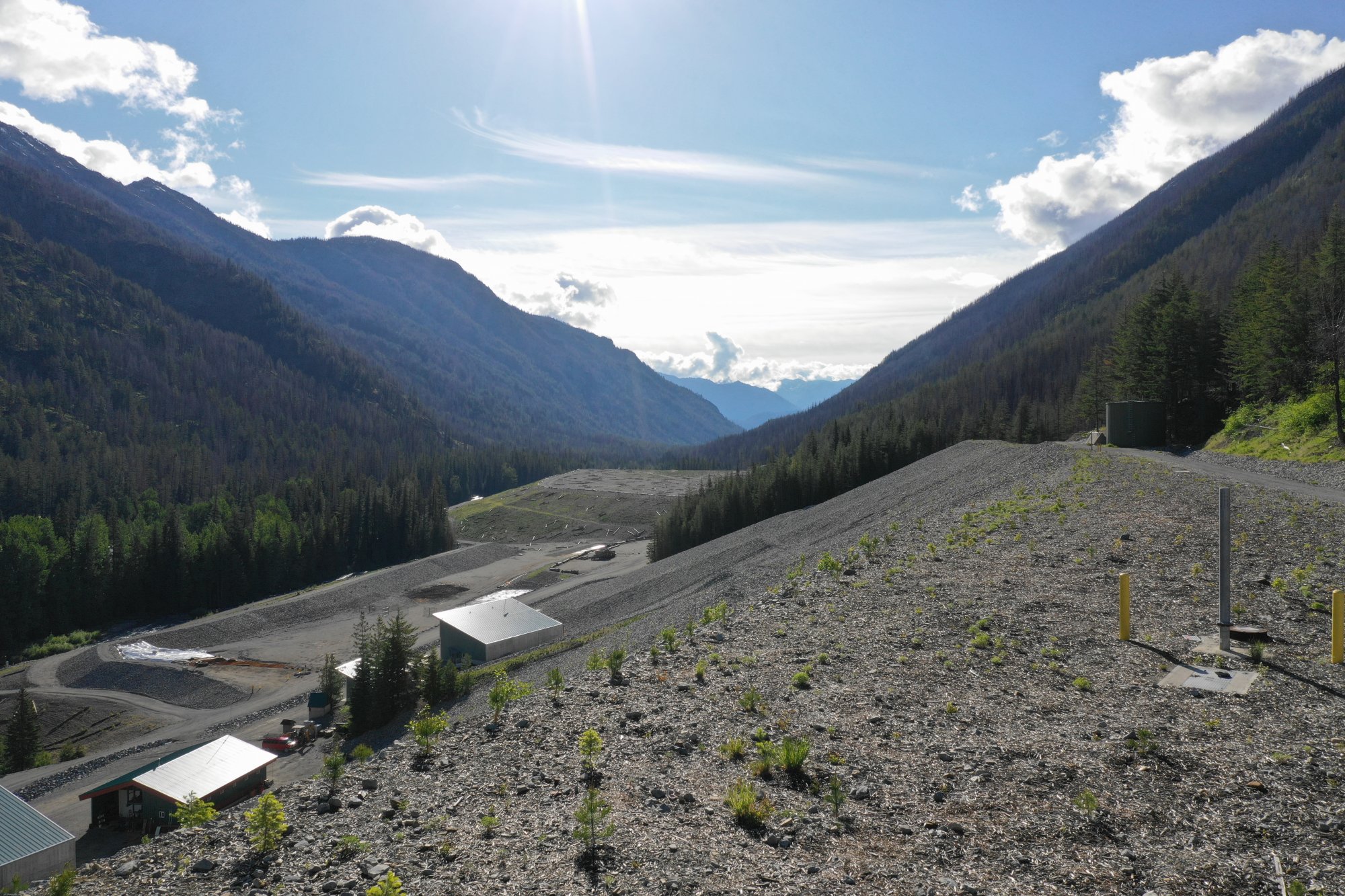
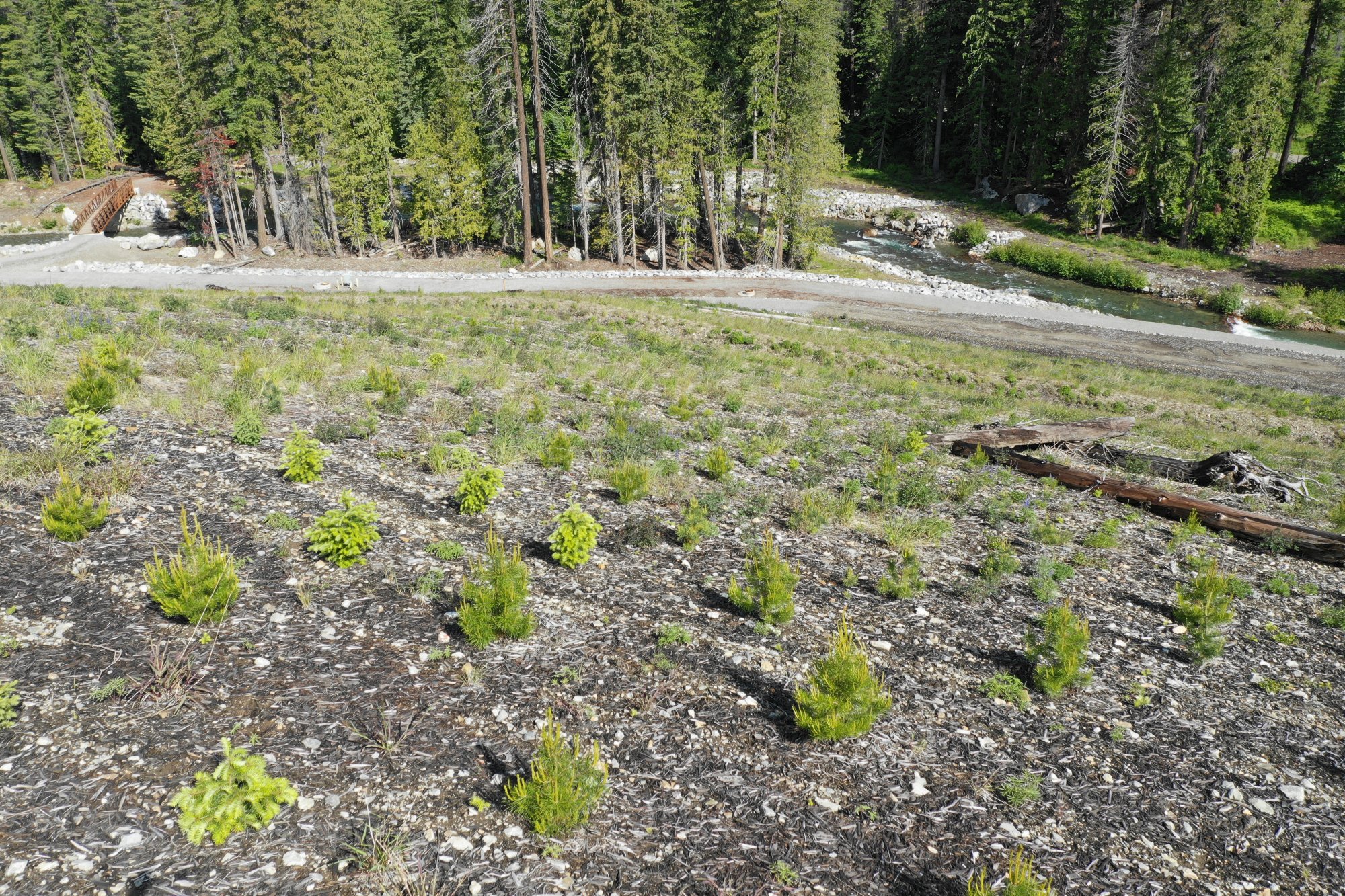
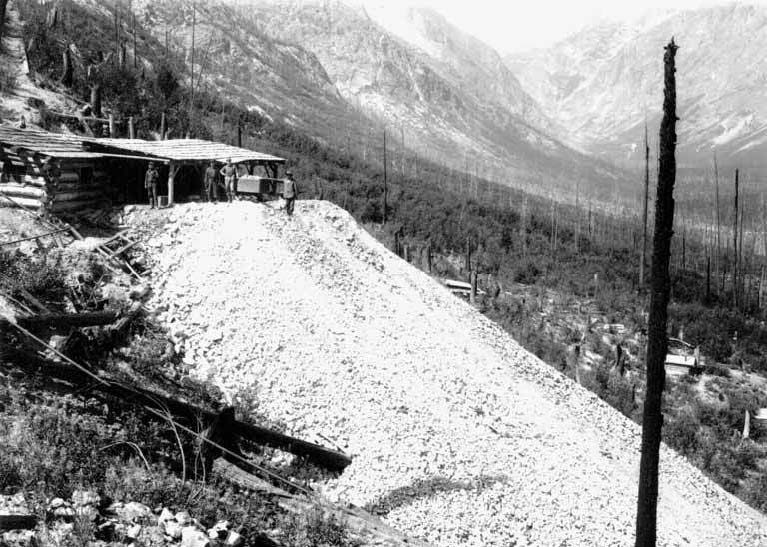
Rio Tinto is remediating the Holden Mine—one of the largest former copper mines in the United States.
- Confirmation of the conceptual site model for groundwater–surface water interactions and establishment of points of compliance for protection of surface water and aquatic life
- Evaluating the performance of Phase 1 of a two-phased remedy to determine the scope of further action required
- Mitigating wetlands impacts from remedial construction
- Evaluating potential in situ treatment of soil affected by mine waste rock
- Operations and maintenance of groundwater recovery and treatment systems and newly capped and revegetated tailings piles
Rio Tinto is remediating the Holden Mine—one of the largest former copper mines in the United States. The remediation is taking place under a Comprehensive Environmental Response, Compensation and Liability Act (CERCLA) Record of Decision (ROD) in cooperation with a multiagency group led by the U.S. Forest Service, including the U.S. Environmental Protection Agency, Washington State Department of Ecology, and the Confederated Tribes and Bands of the Yakama Nation. The remote 125-acre site, located in the Cascade Mountains and accessible only via Lake Chelan, presents a range of technical and regulatory challenges:
- Confirmation of the conceptual site model for groundwater–surface water interactions and establishment of points of compliance for protection of surface water and aquatic life
- Evaluating the performance of Phase 1 of a two-phased remedy to determine the scope of further action required
- Mitigating wetlands impacts from remedial construction
- Evaluating potential in situ treatment of soil affected by mine waste rock
- Operations and maintenance of groundwater recovery and treatment systems and newly capped and revegetated tailings piles
Our Approach
The Floyd|Snider Team has undertaken the task of revising and negotiating Agency approval of several critical technical documents governing the collection and evaluation of data, site operations, and institutional controls. The Floyd|Snider Team is conducting site-wide data collection and evaluation across media, including surface water, fish, benthic macroinvertebrates, sediment, soil, groundwater, porewater, and seeps, in addition to hydrogeological evaluation and wetlands mitigation assessments. Additionally, the Floyd|Snider Team, including CDM Smith and Pacific Groundwater Group, led the evaluation of remedial alternatives to the ROD-required additional barrier wall construction. This evaluation involved numerical groundwater modeling simulations, bench-scale treatability studies, and the preparation of long-term cost estimates. A Phase 2 proposal was submitted to the Agency group that presented Rio Tinto’s proposed remedial alternative to the ROD Phase 2 remedy, and a Rio Tinto Feasibility Study of the preferred alternative was completed. The Floyd|Snider Team will be supporting Rio Tinto with the Remedial Design and Remedial Action regulatory process, bidding, and remedial construction support.
Project Milestones
2021. Holden Mine Site Phase 2 Options Prefeasibility Study
2024. Holden Mine Site Phase 2 Preferred Alternative Feasibility Study
Our Approach
The Floyd|Snider Team joined the project between the two phases of the ROD remedy with the primary task of assessing the performance of the Phase 1 Remedial Action, evaluating the necessary steps to meet remaining compliance obligations, and assisting Rio Tinto with a comprehensive regulatory strategy. The Floyd|Snider Team has undertaken the task of revising and negotiating Agency approval of several critical technical documents governing the collection and evaluation of data, site operations, and institutional controls. The Floyd|Snider Team is conducting site-wide data collection and evaluation across media, including surface water, fish, benthic macroinvertebrates, sediment, soil, groundwater, porewater, and seeps, in addition to hydrogeological evaluation and wetlands mitigation assessments. Additionally, the Floyd|Snider Team, including CDM Smith and Pacific Groundwater Group, led the evaluation of remedial alternatives to the ROD-required additional barrier wall construction. This evaluation involved numerical groundwater modeling simulations, bench-scale treatability studies, and the preparation of long-term cost estimates. A Phase 2 proposal was submitted to the Agency group that presented Rio Tinto’s proposed remedial alternative to the ROD Phase 2 remedy, and a Rio Tinto Feasibility Study of the preferred alternative was completed. The Floyd|Snider Team will be supporting Rio Tinto with the Remedial Design and Remedial Action regulatory process, bidding, and remedial construction support.
Project Milestones
2021. Holden Mine Site Phase 2 Options Prefeasibility Study
2024. Holden Mine Site Phase 2 Preferred Alternative Feasibility Study